

How To Find Someones Middle Name
Finding someone’s middle name usually means matching a first and last name to a fuller legal name in a public record, directory, or family document. This guide explains when a middle name matters, practical steps that stay within public information, and the limits of free people-search tools.
When a Middle Name Is Worth Looking Up
A middle name (or middle initial) is one of the simplest ways to tell two people apart when they share a first and last name. You may need it to confirm you have the right person before sending mail, reconnecting with a relative, or filing a public-records request.
- Identity checks. Court filings, property deeds, and voter rolls often print a full legal name even when everyday use is only first and last.
- Same-name collisions. A city and an age range plus a middle initial usually separate cousins, father and son, or unrelated neighbors.
- Family history. Older census schedules, marriage licenses, and obituaries often preserve a middle name that never appears on social media.
How to Search, Step by Step
- Start with records you already have. Email signatures, school programs, wedding invitations, insurance cards, and old envelopes often include a middle initial. Ask the person, or a close relative, before you search online.
- Check pages they published themselves. A personal site, professional profile, or news mention may spell out the full name. Search the first and last name together with a city.
- Use a people-search directory. Enter the first name, last name, and state. Preview listings for a middle name or initial, then compare age and past cities so you do not mix up two matches.
- Move to official public records. County clerk indexes, property records, marriage licenses, and obituaries frequently show the legal name. Federal inmate records, when relevant, are searchable by name on the Bureau of Prisons locator.
- For older relatives, use genealogy collections. Census, military, and naturalization files at the National Archives and partner sites often list a middle name that modern directories never stored.
What Usually Turns Up
A successful lookup often yields a middle initial rather than the full middle name. Directories may also show nicknames, prior surnames, and household members. Treat those as clues: two independent sources that agree are more reliable than a single preview.
Free tools rarely include sealed files, full credit history, or data the person has successfully suppressed. Listings go stale after a move or a legal name change, and common names produce false matches. Confirm anything important with an official record or with the person.
Pitfalls in Middle-Name Research
- The middle name is the name they go by. Someone listed as “Robert James Carter” on a birth record may appear everywhere else as James Carter.
- Only an initial survives. Many voter files and phone directories store “M.” and never the expanded name.
- Spelling shifts. Ann and Anne, Lee and Leigh, or a dropped hyphen can hide the same person across databases.
- Marriage and legal changes. A surname change does not always change the middle name, but some people move a maiden name into the middle position.
Sites You Can Try
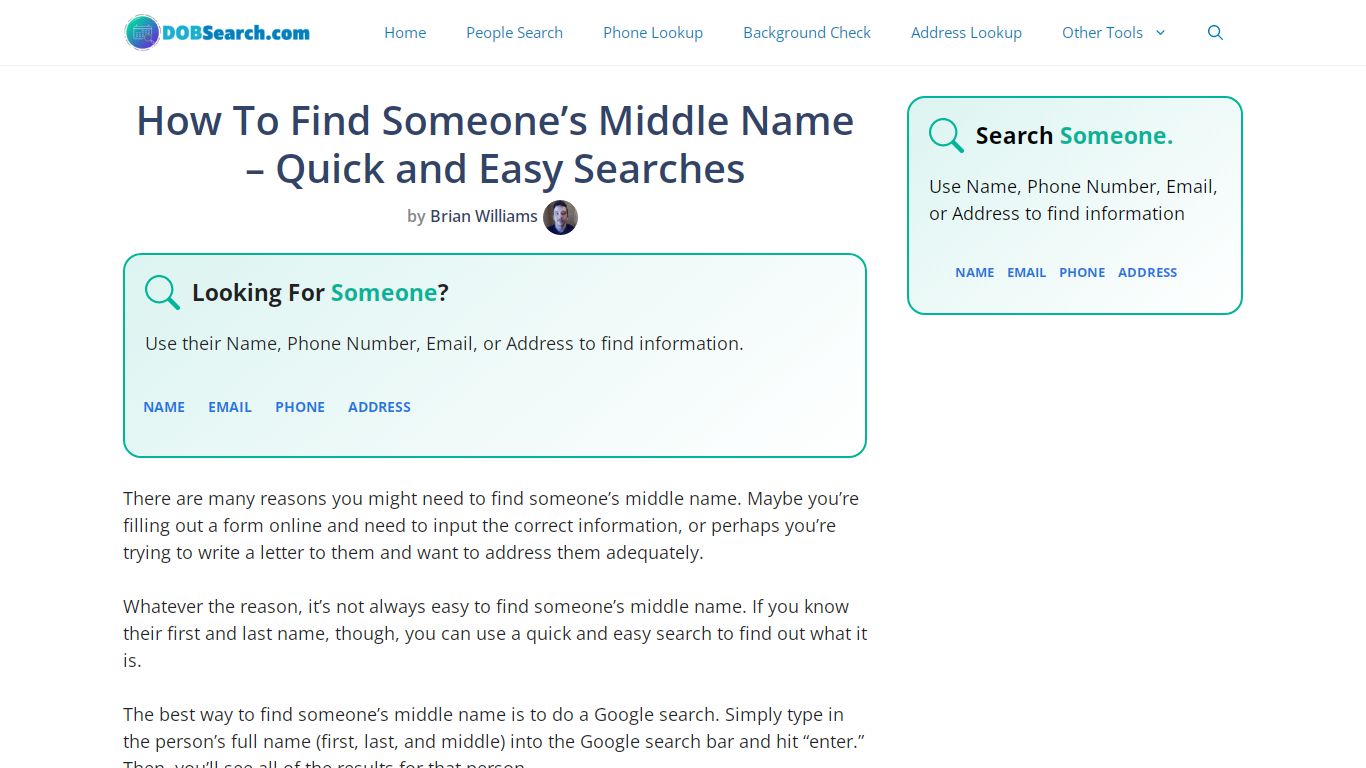
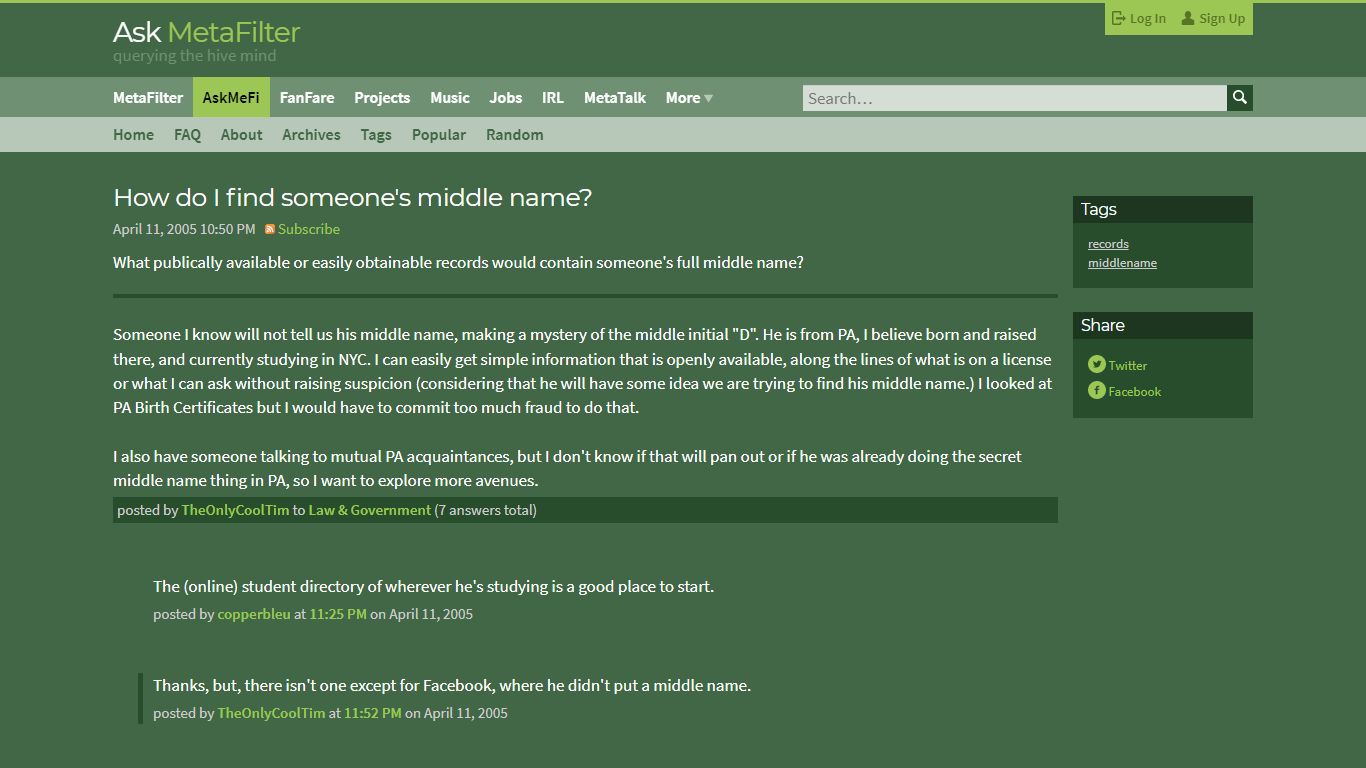
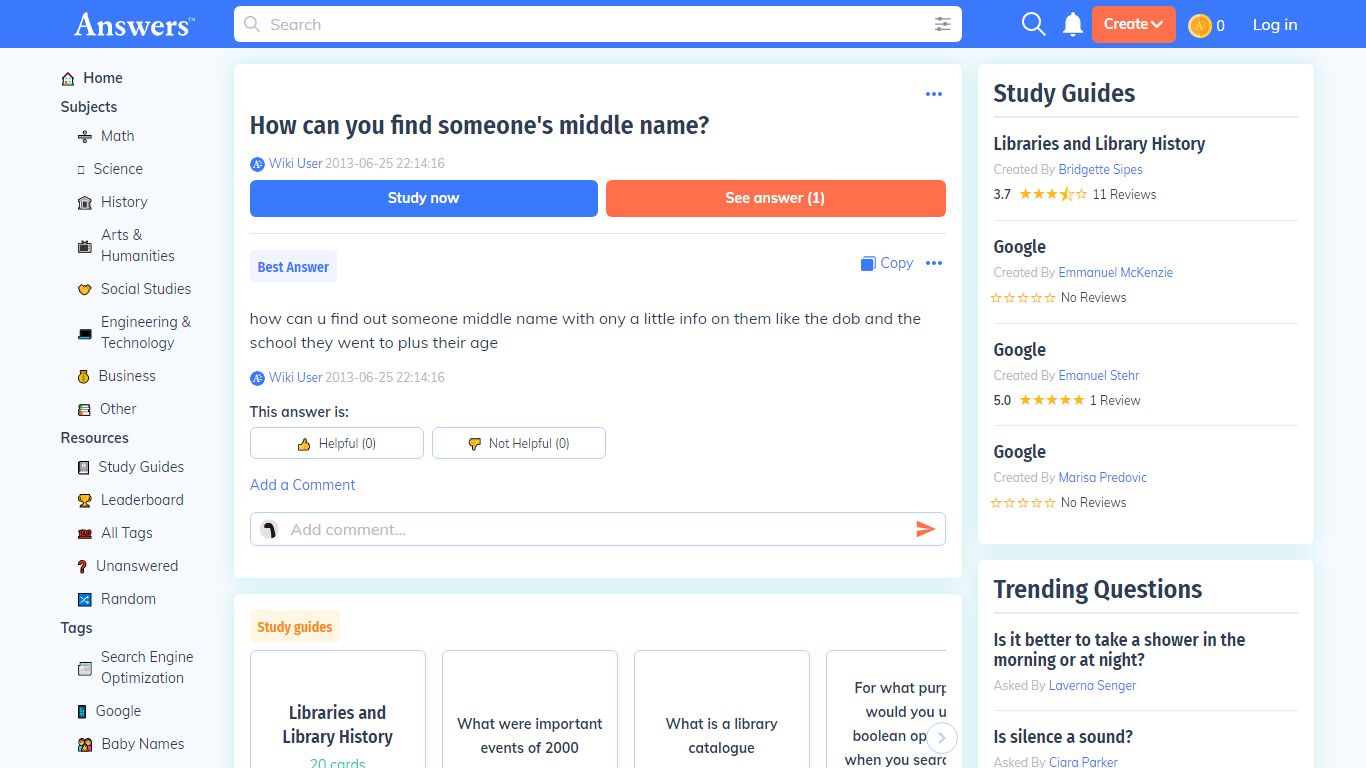
The pages below were reachable when this guide was updated. Each one is a starting point for a name search or a public-record collection that can surface a middle name. Open the provider’s own form; screenshots show the public landing page only.
FastPeopleSearch
A free people-search form that accepts a name plus city, state, or ZIP. Use it to compare several matches and see whether a middle name or initial is attached to the person you mean.
https://www.fastpeoplesearch.com/
USPhoneBook
A public directory for phone, name, and address lookups. A name search can surface a fuller listing when a phone record or household file includes a middle name.
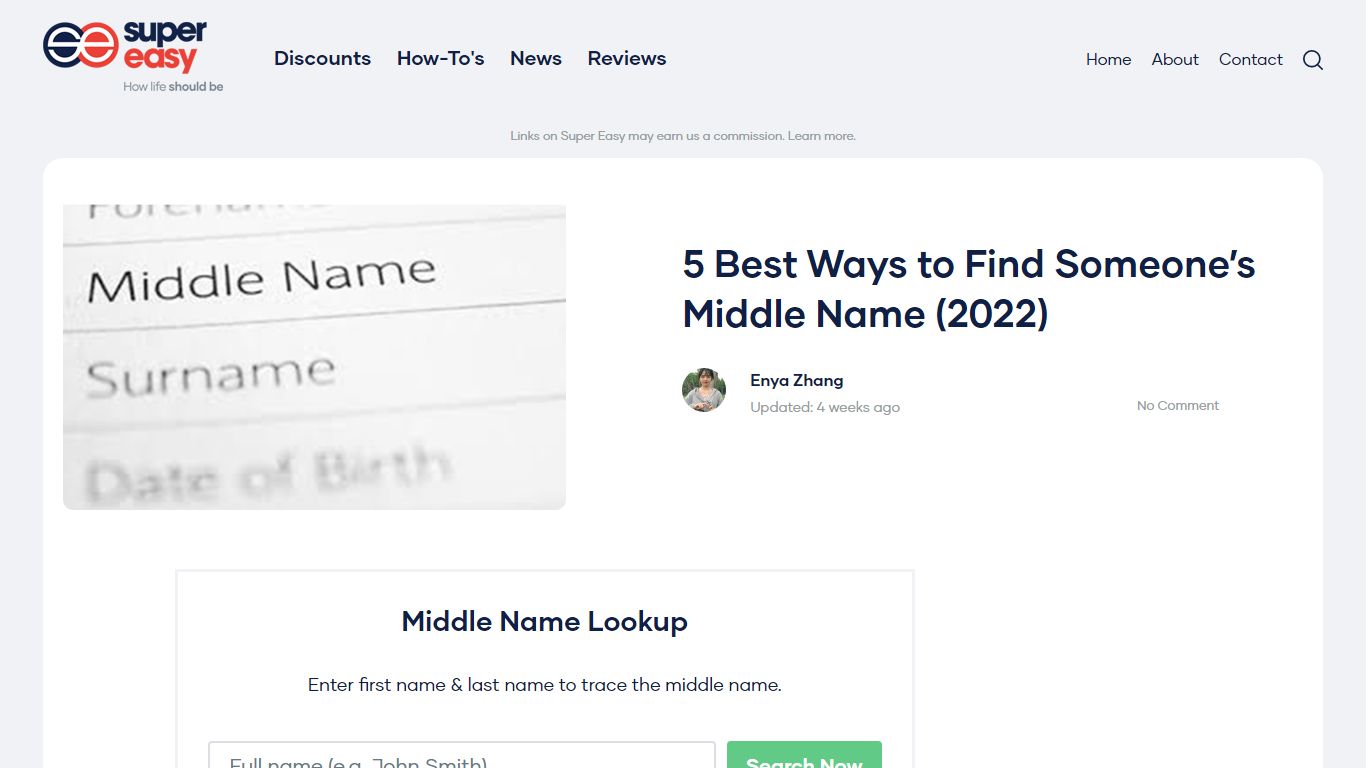
Background Check Lookup
A name-and-state search for public-record style previews. Add the state you know so a middle initial or full name is matched to the right person.
https://www.backgroundchecklookup.com/

BeenVerified
People, phone, address, and property search from a first and last name. Useful when you need a second directory to cross-check a middle name found elsewhere.

Federal Bureau of Prisons Inmate Locator
Official name search for people incarcerated in federal prison from 1982 onward. Results can show the name on file, which sometimes includes a middle name that informal sources omit.
https://www.bop.gov/inmateloc/
National Archives Genealogy Resources
Census, military, immigration, and naturalization guidance from the National Archives. These collections are the usual place to recover a middle name for an ancestor rather than a current contact.
https://www.archives.gov/research/genealogy
Privacy and Fair Use of Public Records
Use these sources for legitimate personal reasons, such as reconnecting with someone or confirming a public filing. Do not use free people-search previews to harass anyone, or for employment, tenant, or credit decisions. Those uses require a screening service that complies with the Fair Credit Reporting Act.
Frequently Asked Questions
Can I find a middle name with only a first and last name?
Sometimes. Add a city, state, or approximate age. Without location, common names return too many people to trust a single hit.
Why do some sites show only an initial?
Source files often stored a middle initial to save space. Expanding “M.” to a full name takes a second record, such as a marriage license or an obituary.
Is a directory listing the legal name?
Not always. Directories mix nicknames, former names, and typos. An official court, property, or vital record is stronger evidence than a commercial preview.
Does this page replace a background check?
No. Hiring, housing, and credit decisions that rely on consumer reports are regulated. Use an FCRA-compliant service for those purposes.